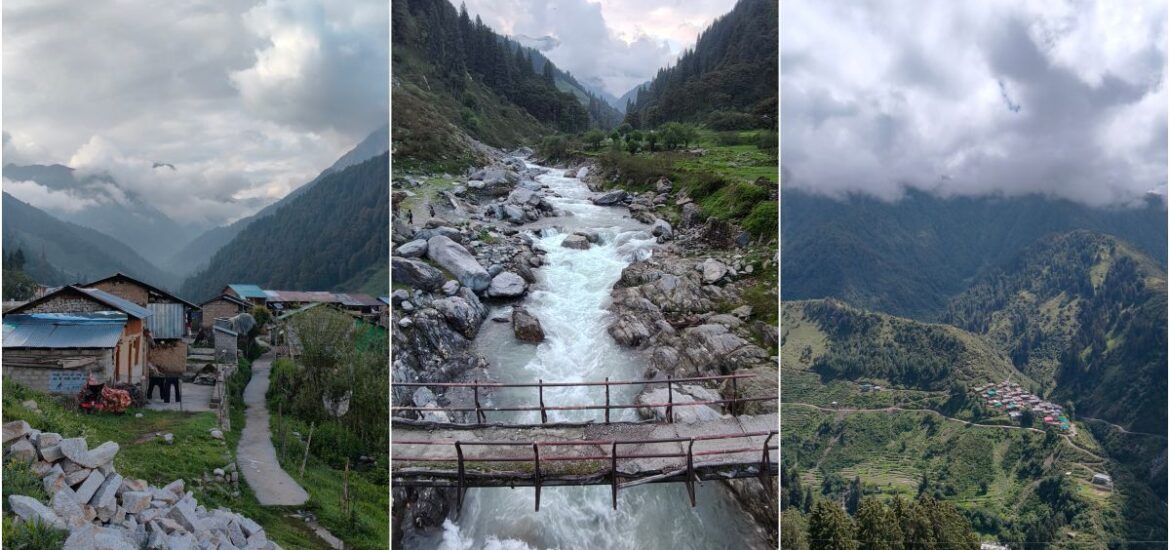
I hope this blog doesn’t reach a lot of people. Especially the loud and uncivic ones who turn gold to dust, wherever they go.
With the diminishing average attention span in this era, there aren’t many readers anyway. But this is my job. To write about my experiences and travel journey. About the beauty, rarity and freshness of places we imagine but may not have been to. To assist curious travellers in finding such places and immerse themselves in it’s beauty. And few of them are as calm, beautiful and litter-free as Rajgundha valley in Himachal Pradesh.
A month in Varanasi!
THE WAY
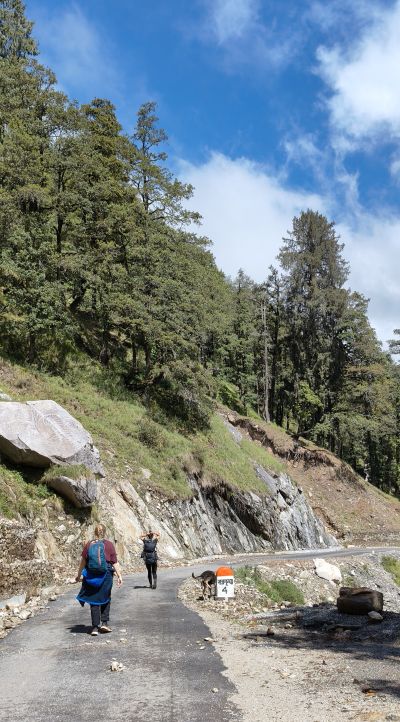
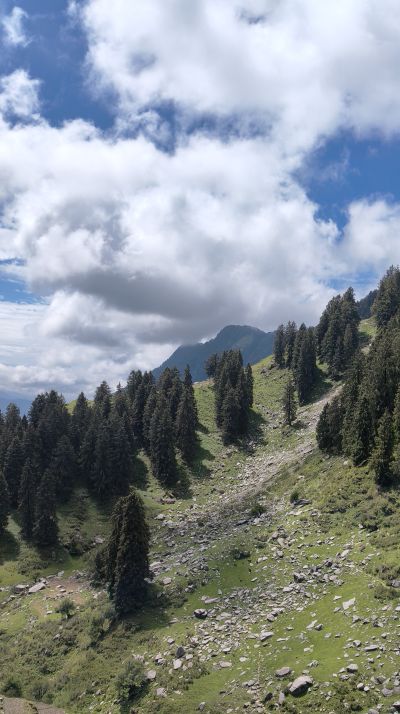
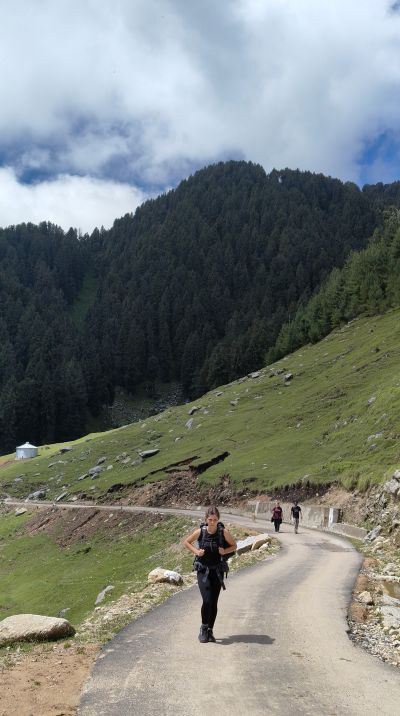
Now reachable by motor vehicle from either Bir or Barot, the best way to reach the valley would be by foot from Billing, half an hour from Bir, which is also one of the most popular paragliding sites in India.
There are two reasons why hiking is the best option.
One – This is still very much a road with limited activity. A couple of cars may pass by in an hour or two if you start the hike early in the morning, which obviously is the best time. Other than that, there is no sign of anybody else.
And secondly, you get to witness the gradual change in the landscape. Far from the maddening crowd of Bir, you gradually move towards the sounds of nature.
The hike starts from Billing take-off site, and the old hiker’s trail can be opted for, which takes about 20 minutes until it joins the only road to Rajgundha. The walk is an easy one with a gradual ascent, and it takes about 2-3 hours to reach Chaina Pass, where you can take a break. A dhaba here serves food and tea, and it is a good point to refuel. Thereon, the hike is an hour of downhill.
It is a calming walk, a relaxing early morning one. Deodar trees greet you in the latter half, and you somewhat know that the valley is within reach. This was once a trail, but the road still feels like a gem, not many people know about. Not a sound, apart from the pristine river that can be noticed from a distance now, while the rustling of the trees was what accompanied us throughout.
Bunbuni trek: Alternative to Kheerganga!
RAJGUNDHA VALLEY
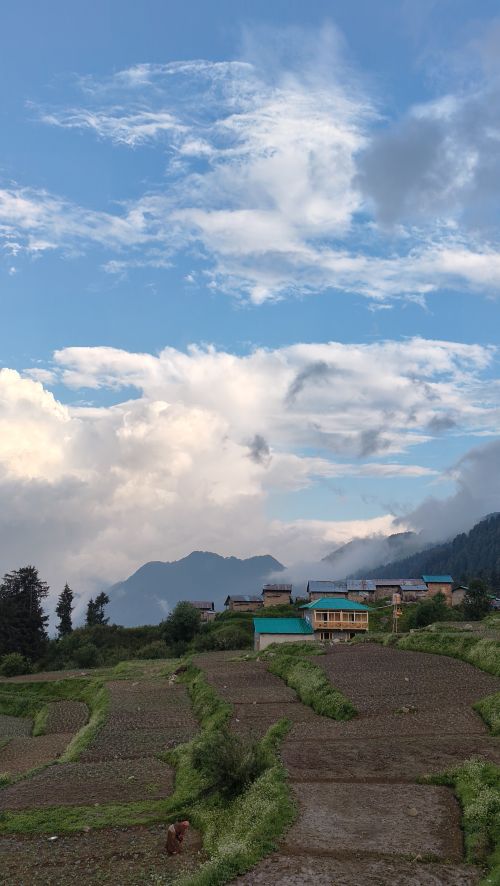
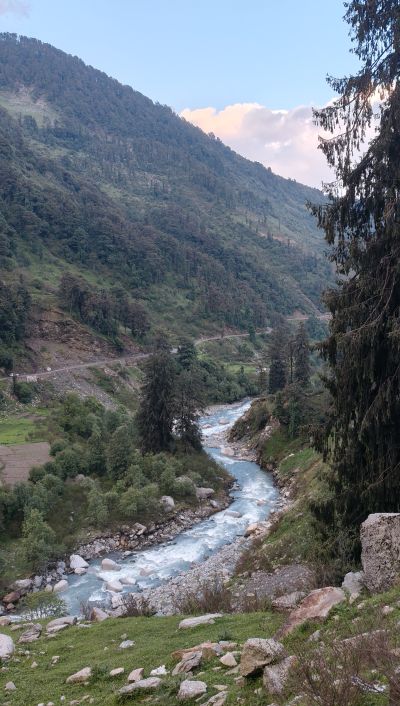
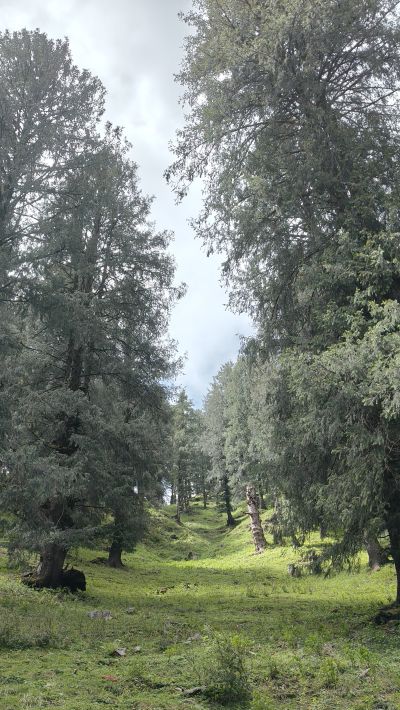
The free-flowing river is music to the ears. The place is free from crowds, noise, dust, plastic and smoke. Fresh air and greenery welcome you, as they should.
There are a couple of tenting spots and a few stays at the onset of the valley, while a few more are available as you walk further until the bridge, which is a vantage point to admire the gushing flow of the river. Thereon, a little hike takes you to Palachak Valley, which is a great, secluded camping spot.
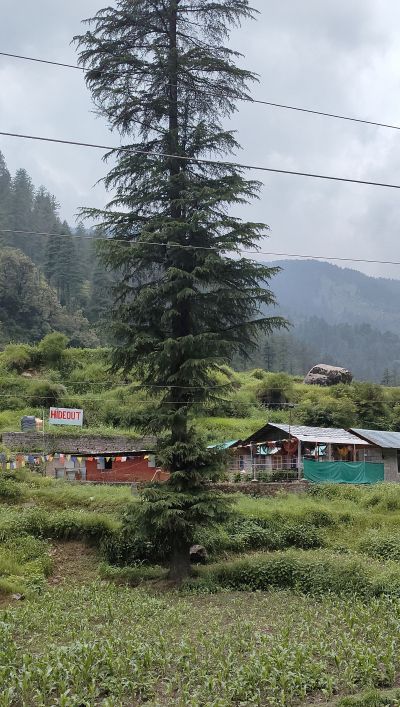
The valley breathes. Concrete hasn’t taken over yet. It isn’t swarmed up with hotels, outlets or people queuing up for some exotic food. No bass speakers playing music all day. No excesses of a city. Any direction you look, and from anywhere, you get an unobstructed view of the mountains and the river. Human chatter is negligible. Nature is, as it was.
Bhrigu Lake: A 3-day trek near Manali!
TO BAROT
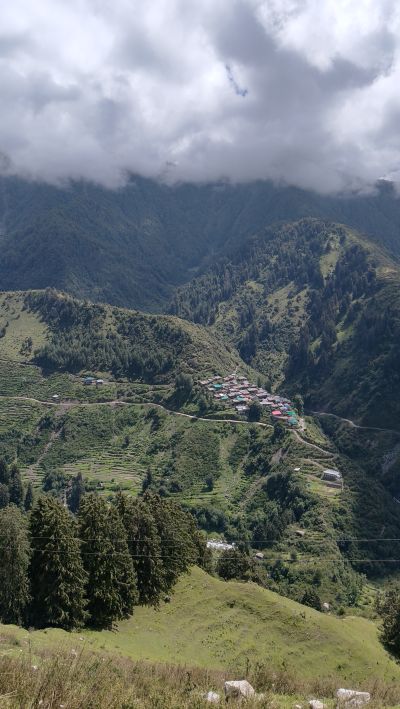
The next day is even more exciting.
15-20 minutes up, back on the same road to Bir, there is a downhill trail that starts from a village(don’t remember the name) to Barot. Now the trail vanishes in about 30 minutes. And this is where adventure begins.
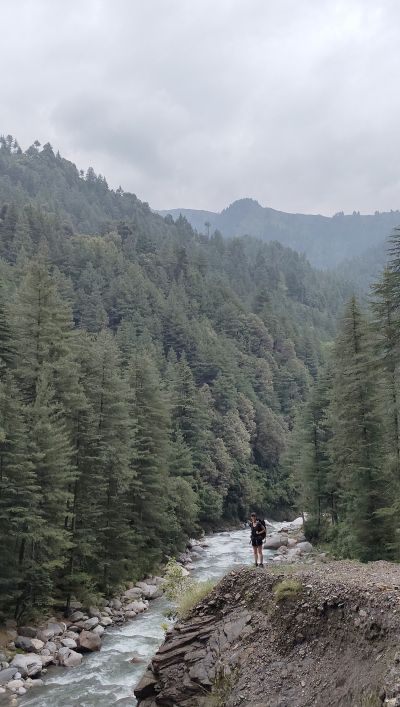
The Uhl River is to the left. You know the road you tread on the day before is to the right. And the way forward is a choice. The trail gradually vanishes into little grasslands leading to a boulder section, which is to be traversed. Though patchy, if this section is crossed, you can see the trail again at a distance. Though doable, I’d not recommend it to a novice.
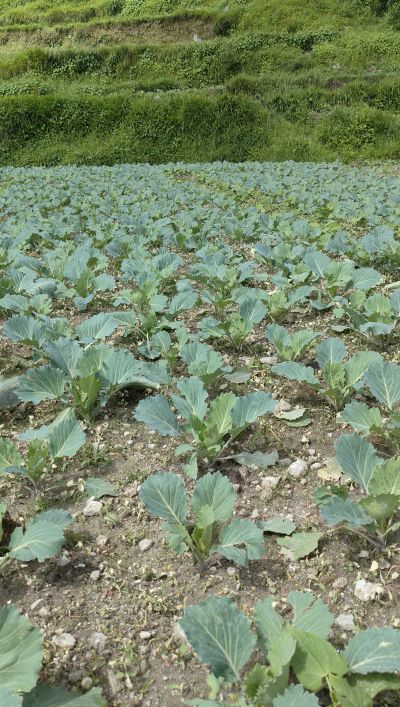
The trail becomes beautiful again as it enters agricultural lands. You see women working in vegetable fields who are surprised at a couple of uniquely dressed people with their bags on their shoulders, walking around in their green pastures. Cabbage, potato and other vegetables are flourishing in size. There is an excitement to tread here. An air of freshness and simplicity of Himalayan village life.
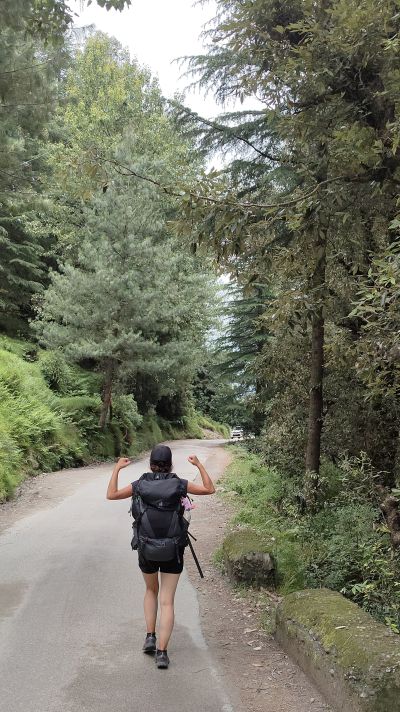
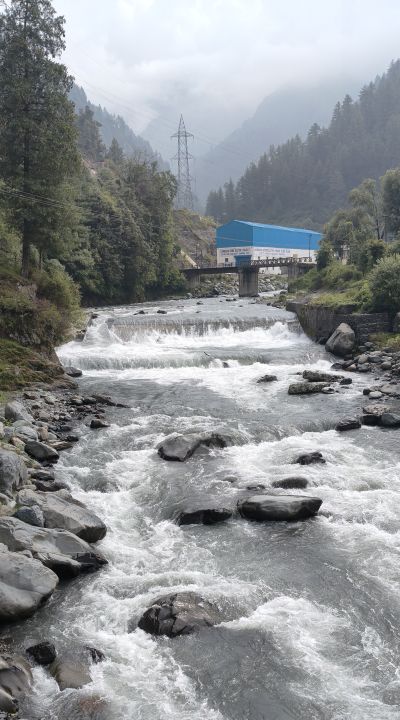
Soon, you reach Meyot valley, where the road begins, and from thereon, it is a downhill hike to Barot valley. This walk is similar to the last day’s walk, with hardly any vehicles. The road gets closer to the gushing, pristine river, which is the most beautiful sight of the day. Pine trees grow tall on the other side of the river. A few cottages pass by.
Soon, you reach a bridge and signs of human settlement become evident as you start witnessing litter everywhere.
You now enter the Barot Valley.
Life is short. Stay raw!
Nice presentation.